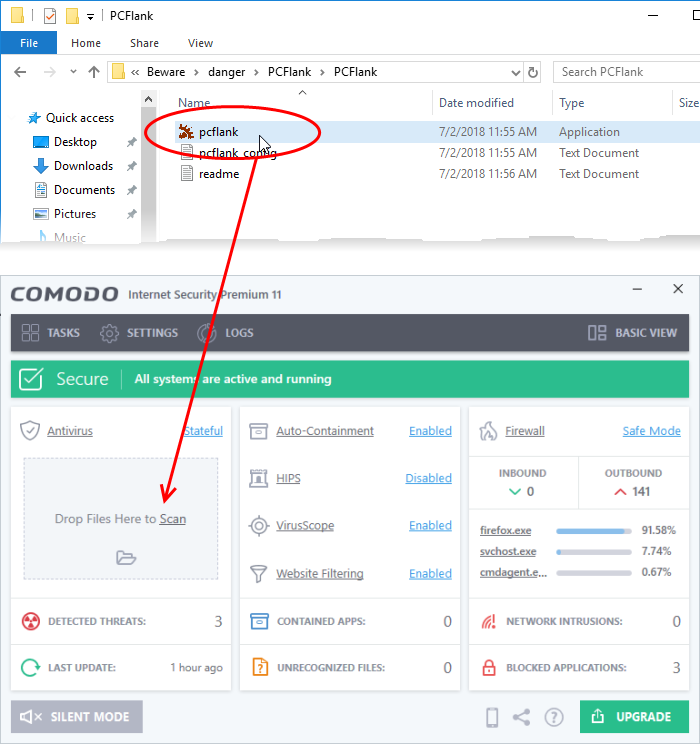
Drag And Drop To Custom Scan
Note The recommended way to add custom controls to the Toolbox is to use the Toolbox Control templates that come with the Visual Studio 10 SDK, which include drag and drop support. This topic is retained only for backward compatibility, and for working with existing controls.
Drag And Drop To Custom Scanning
For more information on creating toolbox controls by using the templates, see. VSPackages must implement drag-and-drop support if they are to use Toolbox controls on document views, such as editors or designers. By default, all.NET Framework objects derived from automatically and transparently provide support for consuming Toolbox controls, and the procedures described below are unnecessary.

The basic functionality can be extended by creating a designer. For more information, see. An implementation can support the dragging of Toolbox items to a window by selection rather than mouse action.
Drag And Drop Method
That is, dragging an item when a user either double-clicks on a Toolbox item or single-clicks and then presses ENTER. To do this:. Implement the method. This method, called by the IDE is selected through a click, or by pressing ENTER. The method should insert the Toolbox item into the target window. If you do not wish to support implementation by selection, the method should return.
In the example below, the implementation of the method checks if the object selected is supported, and if so deserializes it into the code. Carry out the following steps to ensure that proper focus is maintained for your application:. If your editor window implements two different panes, not two different views, then call the method when you switch pane activations within your editor window.
Only you know when activation changes occur within your window. To properly activate the window and to ensure that command routing is updated properly, you must call the method on the component.
This action must be taken when you are setting focus to a component window, such as an editor, created or modified by a drag-and-drop operation involving the toolbox. In the command handler, implement the method to determine whether there are any Clipboard objects to cycle through. If there are no items on the Toolbox Clipboard, then the environment checks the system Clipboard to see if there are any items on it.
If there are items on the system Clipboard, but not on the Toolbox Clipboard, then the Clipboard ring is populated with system items. To select the next item in the list, the implementation calls the method. To return to the beginning of the Clipboard cycle, call the method.